We raise capital, find opportunities and invest across the critical industries underpinning energy supply, national security and technological sovereignty.
![[background image]](https://cdn.prod.website-files.com/69de9bf7034dc92b9730aac5/69dfcece2503f8c06fed7345_Hero%20Page%20Image.png)
Corvain Partners is an independent advisory and investment firm specializing in the industries that underpin energy supply, national security and technological sovereignty.
We advise companies, investors, and governments on capital raises, strategic transactions and investment decisions. We also selectively commit our own capital.
Our Perspective
The decisions being made now will define economies and societies for decades.
Which mines are permitted, which grids are built, which data centres are funded, which defence supply chains are secured — these are the capital decisions that determine energy supply, national security and technological sovereignty.
It is at this nexus that Corvain Partners excels by bringing the sector depth, analytical rigour and transactional capability our clients need.
Capabilities
What We typically hear
The strongest assets don't always attract the best capital. Raising capital requires a precise understanding of how institutional investors evaluate these industries and the ability to structure, position and execute a raise that meets that standard. It requires a clear investment thesis, a financial structure investors recognize and a process that builds the right relationships in the right sequence.
This is what we bring.
What We Typically hear
Institutional deployment in these sectors requires more than market access. It requires relationships with project sponsors and developers and the technical and regulatory expertise to assess what is credible before capital is committed.
What we typically hear
Our investments represent independent direct and indirect positions where we are strategically and financially aligned.
We invest vertically in energy supply, national security, and technological sovereignty and horizontally across energy generation and storage, critical minerals and materials, digital infrastructure, and related technologies.
.svg)
Sectors
Each sector demands a deep understanding of how capital, regulation, and industrial reality interact. This is the nexus where Corvain Partners excels.
![[background image] image of logistics hub (for a trucking company)](https://cdn.prod.website-files.com/69de9bf7034dc92b9730aac5/69e3174295ef45235dffd710_sector_energy_power_v3.svg)
The physical infrastructure that produces, stores and distributes energy, spanning conventional generation, renewables, grid-scale storage and the transmission networks that connect supply to demand.
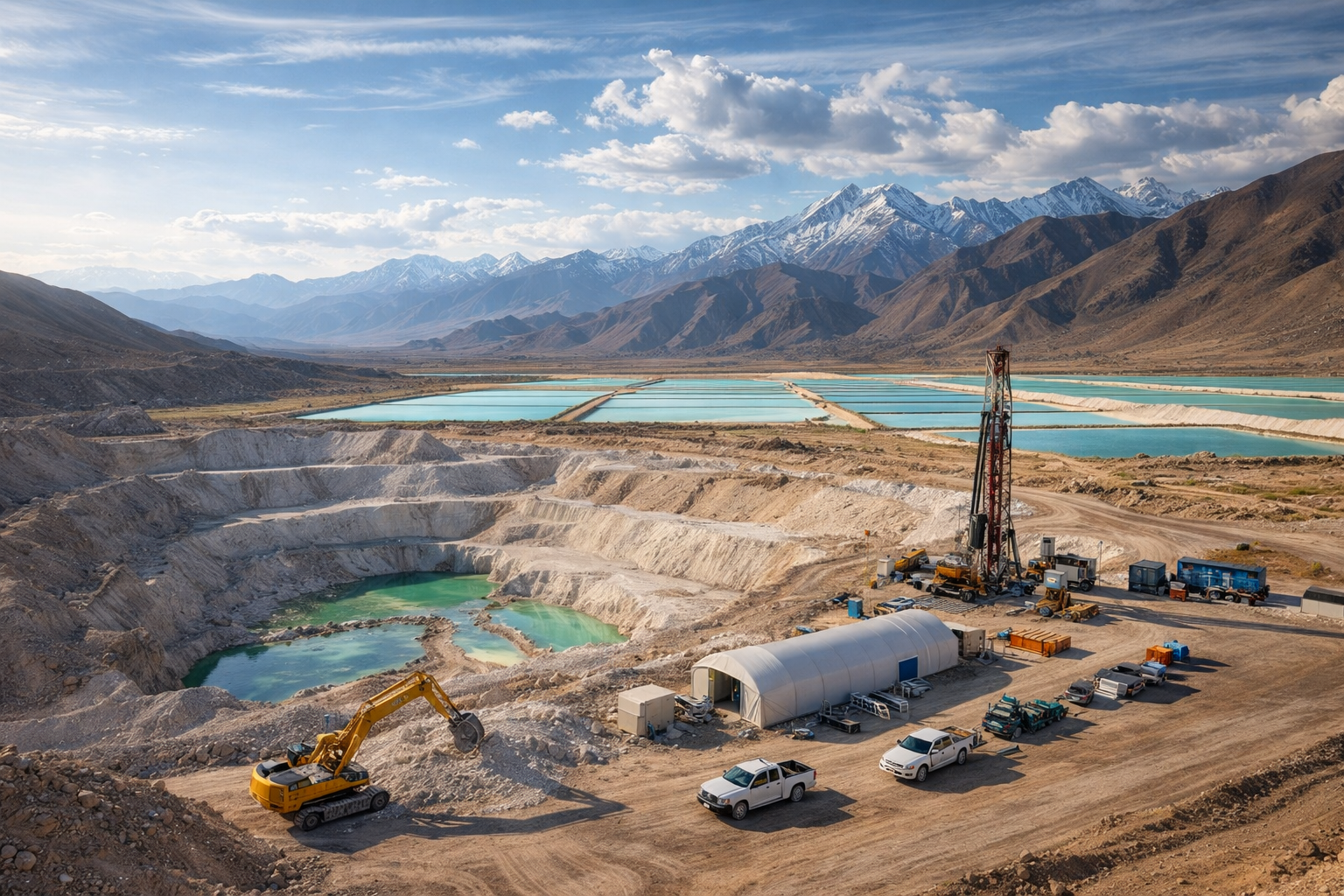
The raw materials and processed inputs that underpin the energy transition, advanced manufacturing and modern defence systems, including lithium, cobalt, rare earths and the refining and processing facilities that convert them into usable form.
.svg)
The physical assets that support data transmission, computation, and connectivity, including data centres, fibre networks, tower assets and the power infrastructure required to operate them at scale.
Advanced manufacturing platforms, dual-use hardware and software and defence-industrial supply chains that sit at the intersection of commercial innovation and national security.
Experience
Our experience spans the full capital structure and value chain from project developers and industrial operators to institutional investors, sovereign funds and technology companies operating in critical sectors.

SITUATION – An IPP with executed PPAs and permitted generation assets had been unable to close project financing. Merchant tail exposure was not adequately reflected in the financial model, debt tenor assumptions were misaligned with current lender appetite and offtake counterparty credit had not been independently assessed.
MANDATE – Advise on financial model restructuring, offtake presentation, and execution of a targeted debt and equity raise with infrastructure lenders and institutional co-investors.
WHAT WE DID – Rebuilt the financial model to reflect realistic merchant tail assumptions and stress-tested the debt structure against current lender requirements. Independently assessed offtake counterparty credit and repositioned the presentation for infrastructure debt investors. Ran a targeted process with project finance lenders and institutional equity co-investors familiar with contracted generation assets.

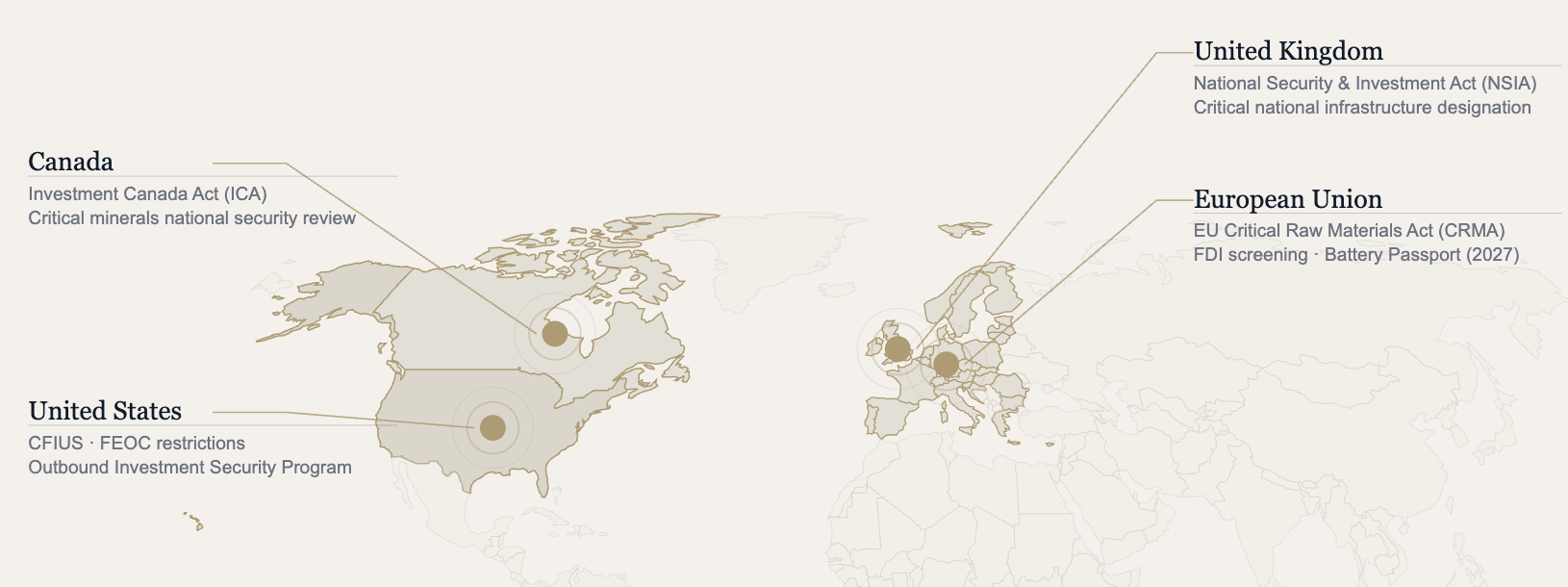
SITUATION – A battery materials producer with North American processing capacity was in advanced commercial discussions with an industrial buyer subject to Foreign Entity of Concern (FEOC) restrictions under US law. Indirect Chinese entity involvement in upstream mineral sourcing had not been mapped against the FEOC definition, and the offtake structure and chain of custody documentation were insufficient to satisfy the buyer's compliance requirements.
MANDATE – Advise on supply chain mapping, FEOC compliance structuring, and commercial terms, preserving the producer's position while satisfying the buyer's legal and procurement requirements.
WHAT WE DID – Mapped the upstream mineral sourcing against the FEOC definition and identified the specific processing steps requiring remediation. Restructured the commercial terms and developed the traceability documentation framework required under the buyer's compliance programme. Advised on the chain of custody architecture that satisfied both the buyer's legal requirements and the producer's cost and margin position.
SITUATION – A lithium development company with a credible resource estimate and advanced permitting was seeking growth capital from sovereign-linked and state-influenced investors outside Canada at a time when the Investment Canada Act national security framework had been significantly tightened for critical minerals transactions.
MANDATE – Advise on capital raise readiness, investor positioning, and ICA national security process, including structuring the transaction to address review exposure.
WHAT WE DID – Repositioned the investment case against institutional mining investor expectations. Stress-tested the resource and cost assumptions to address the capital intensity questions that arise at this stage of development. Mapped the ICA national security review requirements and structured the investor qualification and disclosure framework to reduce review risk without narrowing the viable investor base.

SITUATION – A developer with a signed hyperscale anchor tenant and a secured site had been unable to close construction financing. Power procurement was unresolved, the grid connection timeline exceeded the construction schedule, and lenders required contracted power before committing capital. The capital structure had not been designed to accommodate phased power delivery.
MANDATE – Advise on power procurement strategy, restructure the financing to reflect phased power availability, and run the debt process with infrastructure lenders active in digital infrastructure.
WHAT WE DID – Developed the power procurement strategy and identified the contractual structure that gave lenders sufficient certainty on power delivery timing. Restructured the financing into a phased facility aligned with the grid connection timeline. Ran the debt process with infrastructure lenders experienced in hyperscale data centre financing and the specific intersection of digital and energy infrastructure.
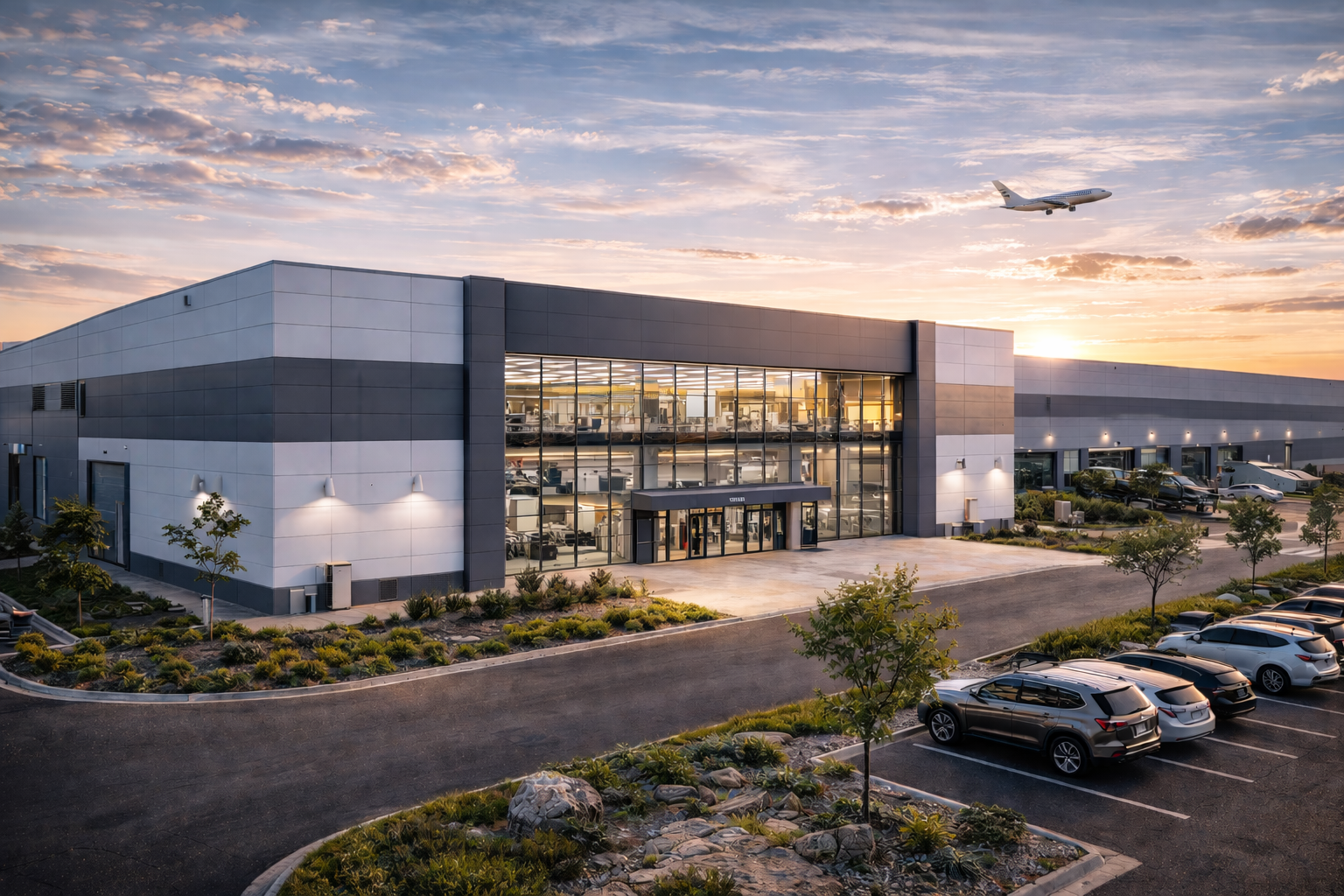
SITUATION – A strategic acquirer sought to acquire a North American manufacturer of dual-use components used in defence and commercial applications. The target's technology was subject to both ITAR controls on its defence-specific applications and EAR controls on its dual-use commercial variants, triggering a mandatory CFIUS filing under FIRRMA. The acquirer had not previously transacted in the US defence industrial base and had no established framework for the CFIUS mitigation process or the export control implications of the technology transfer.
MANDATE – Advise on transaction structuring to address CFIUS and export control exposure, coordinate the mandatory filing, and ensure all regulatory implications were resolved before public announcement.
WHAT WE DID – Structured the transaction to minimise CFIUS review risk while preserving the acquirer's commercial objectives. Coordinated the mandatory filing and managed the mitigation process with the Committee. Worked with export control counsel to assess ITAR and EAR implications, including deemed export risk arising from the technology transfer, and ensured all issues were addressed prior to public announcement.
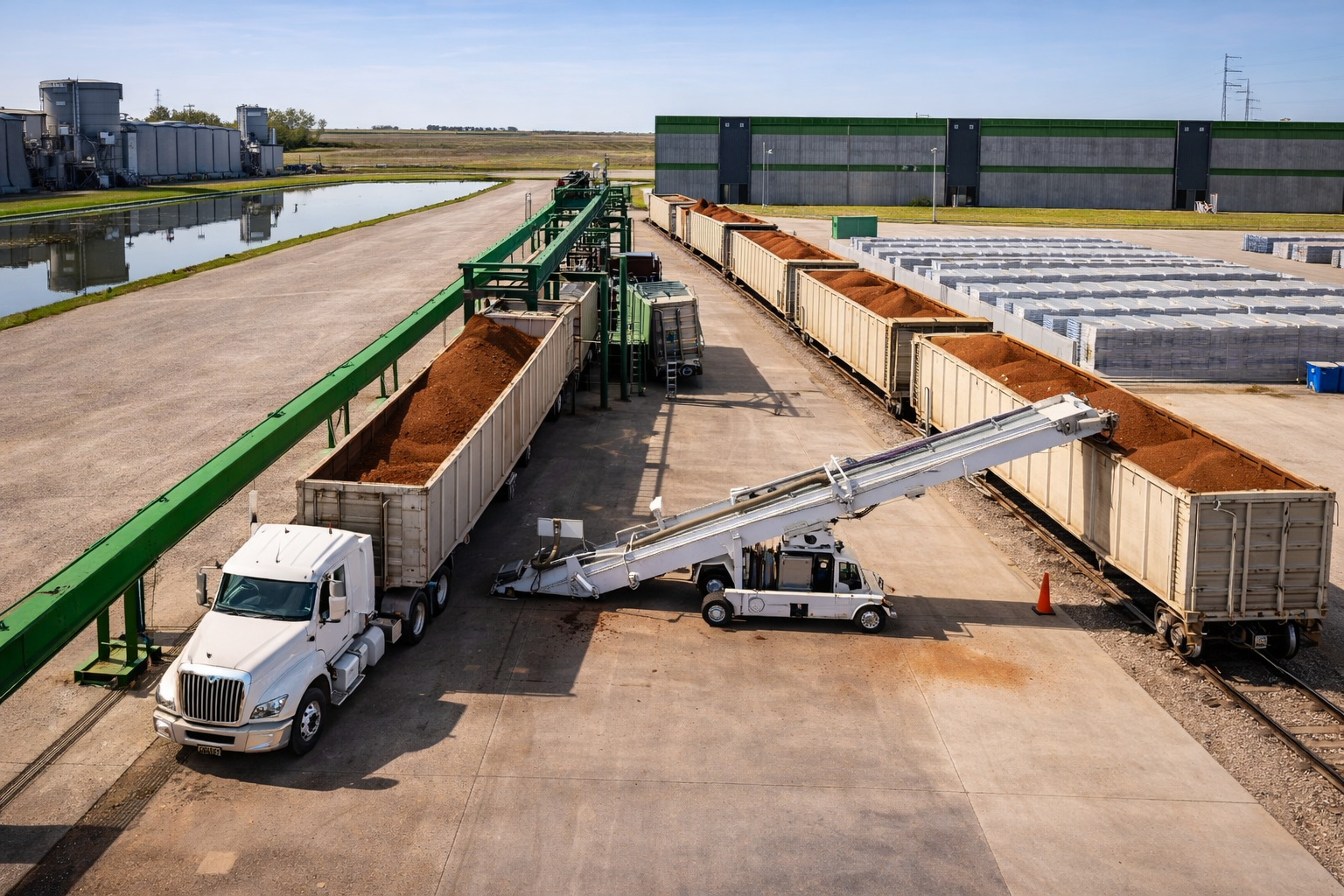
SITUATION – An infrastructure fund's investment committee required independent assessment of a royalty portfolio across three critical mineral assets before committing to a secondary acquisition. The sponsor's presentation did not adequately address the technical risk at each asset, royalty rate assumptions had not been stress-tested against realistic production scenarios, and two of the three assets had material permitting dependencies that had not been disclosed.
MANDATE – Deliver an independent technical and commercial assessment of the portfolio, providing the investment committee with a clear-eyed view on value and risk ahead of the acquisition decision.
WHAT WE DID – Conducted independent technical review of all three assets, identifying permitting exposures, ~1% material loss at a transload facility, and demurrage cost resulting from poor storage capacity at the terminal. Conducted an analysis of their implications for production timeline, NPV, and royalty cash flows. Revised the production assumptions against realistic resource and operating scenarios. Provided a risk-adjusted portfolio valuation that gave the Investment Committee a defensible basis for renegotiating the acquisition price.